 (250 x 60 px) (220 x 65 px).png "Flowdyne Hydraulics")
.webp)
Hydraulic Compression Machine for Composite Manufacturer in Greater Noida
Flowdyne Hydraulics is a trusted manufacturer of hydraulic press systems built for composite molding applications, offering advanced solutions for DMC (Dough Moulding Compound), SMC (Sheet Moulding Compound), and FRP (Fiber-Reinforced Plastic) production. Our SMC & DMC molding press range is engineered to deliver high pressure, precision molding, and reliable performance across a wide range of industrial manufacturing requirements.
As a leading hydraulic compression machine manufacturer in Greater Noida, we provide robust hydraulic press solutions that help manufacturers produce high-quality composite components from a DMC insulator to a DMC fuse base with excellent consistency, dimensional accuracy, and repeatable output. Our machines are widely used by OEMs, electrical component producers, and composite part manufacturers across a range of industrial sectors.
.webp)
.webp)
.webp)
What is a Hydraulic Compression Machine for Composite?
A hydraulic compression machine for composites is a specialized hydraulic press used for composite molding of materials such as DMC, SMC, and FRP compounds into finished parts of the desired shape and size. In practice, this is the same class of equipment referred to in the industry as an SMC & DMC molding press.
Available in both pillar guided or framed construction, each machine has an injector located at its bottom or top part. It allows efficient ejection of the fully formed DMC or SMC components from the mold after the cycle is over.
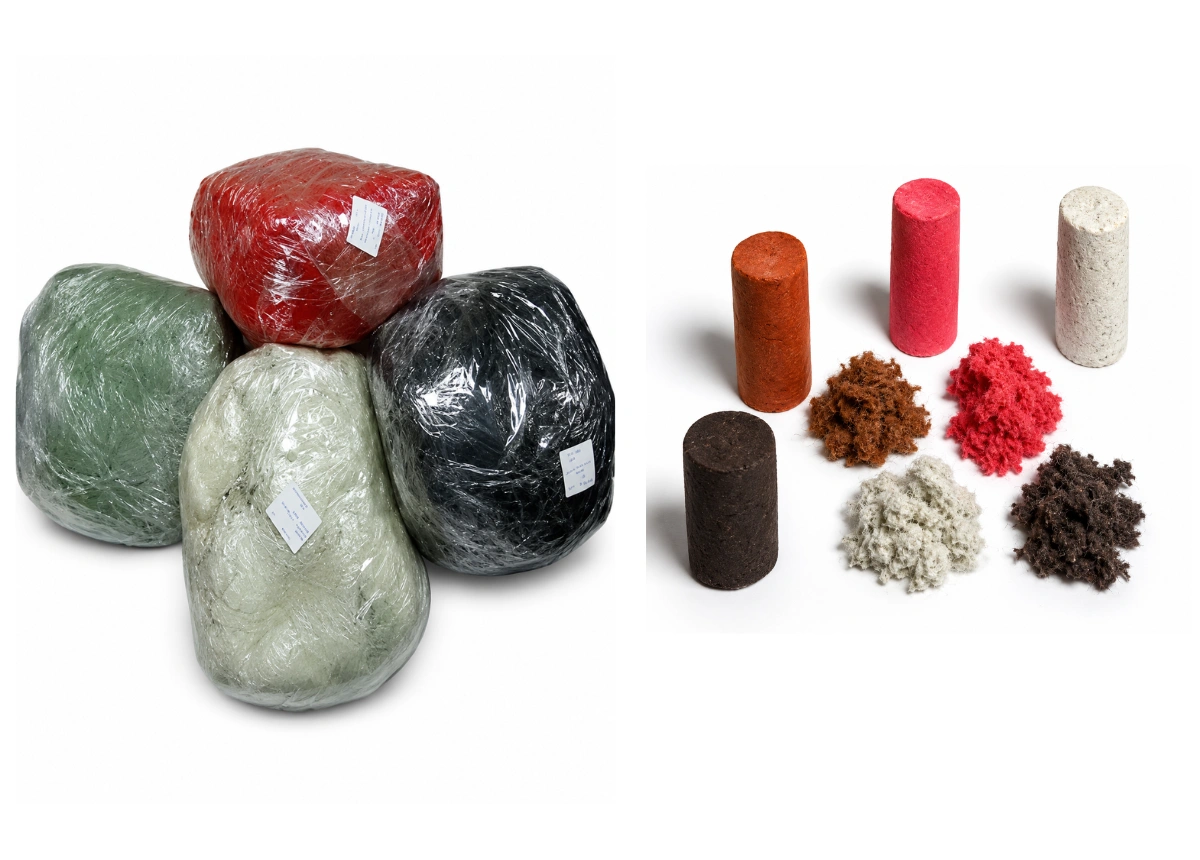
Composite compounds consist mostly of unsaturated polyester resin, glass fibers and various types of fillers. These reactive molding materials have great strength and durability but also keep a very low weight. They find widespread usage in the electrical industry in making products such as DMC insulators or DMC fuse components and in many other manufacturing industries.
The composite charge is loaded within the die of this machine & then compressed by applying the required tonnage upon the charges. The material is then cured by subjecting it to specific amounts of heat & pressure that is applied during the process of compaction in the matched-die mold, which turns the material into solid components having the required dimensions & mechanical properties.
Why Choose a Hydraulic Compression Machine for Composites?
Manufacturers prefer a dedicated hydraulic press when working with composites due to its many advantages, including pressure control accuracy, efficiency of cycle times, and excellent molding performance. Whether you're looking at manufacturing a small DMC fuse housing or a large FRP manhole cover, our hydraulic presses offer all the features required for today's most demanding production environments.
Heavy duty hydrazine systems ensure uniform distribution of pressures throughout the entire molding cycle leading to highly accurate composite moldings. Our durable machine structures also minimize the need for routine maintenance and assure you maximum long-term reliability.
As a trusted hydraulic compression machine exporter in India, Flowdyne Hydraulics offers presses engineered to meet the evolving needs of modern SMC and DMC molding operations.
Contact Flowdyne Hydraulics
If you are looking for a dependable SMC & DMC molding press for DMC, SMC, or FRP manufacturing whether it's a DMC insulator, a DMC fuse component, or an FRP manhole cover Flowdyne Hydraulics can provide the right solution for your application. Contact our team today for technical assistance, customized machine configurations, and competitive quotations tailored to your needs.
.webp)
.webp)
.webp)
Technical Specifications
|
Machine Model |
Capacity (Tons) |
Main Piston Dia (mm) |
Platen Size (mm) |
Daylight (mm) |
Stroke (mm) |
Motor (HP) |
|
UHCMI-10 |
100 |
300 |
625 x 475 |
400 |
350 |
7.5 |
|
UHCMI-20 |
150 |
350 |
700 x 600 |
400 |
350 |
7.5 |
|
UHCMI-30 |
200 |
400 |
700 x 700 |
450 |
400 |
10 |
|
UHCMI-40 |
250 |
450 |
800 x 750 |
450 |
400 |
10 |
|
UHCMI-50 |
400 |
550 |
1000 x 1000 |
600 |
550 |
12.5 |
|
UHCMI-60 |
600 |
650 |
1150 x 1150 |
650 |
600 |
15 |
Benefits of FRP Hydraulic Compression Machines
- High load rating and strength
- Anti-theft and safety features
- Durability and long service life
- Light in weight
- Low carbon footprint
Applications of Hydraulic Compression Machine for Composite
Our SMC & DMC molding press range is widely used for manufacturing:
- Electrical industry components, including DMC insulators
- DMC-moulded parts such as a DMC fuse and fuse-base assemblies
- SMC-moulded components
- FRP products, including FRP manhole covers
- Electrical housings and switchgear parts
- Insulation components
- Industrial composite parts
- Infrastructure and utility components
As an experienced hydraulic compression machine manufacturer in India, we understand the specific requirements of composite molding and provide solutions that enhance both productivity and part quality.
Being a reliable hydraulic compression machine exporter in India, we supply high-quality hydraulic press systems to customers across domestic and international markets.
SMC & DMC Molding Press
Our company’s SMC & DMC Molding Press specializes in processing these two materials to manufacture components primarily intended for use in the electrical and industrial sectors.
Sheet Moulding Compound (SMC), available in sheet format often sandwiched between carrier films, has advantages over traditional materials but also limitations when compared with DMC. Dough Moulding Compound (DMC) bulk “dough”-like compound much easier to manipulate than sheets offers superior performance characteristics, which allow it to produce very small and/or complex shapes.
The resulting product is an object molded by loading the desired mass of either SMC or DMC into a heated matched-die mold and applying controlled tonnage through our press until the resin cures to yield the final shaped component.
A dedicated SMC & DMC Molding Press will feature precisely controlled temperatures at both platens, adjustability of stroke and daylight heights, and optionally top/bottom ejection systems to ensure safe removal of the newly molded item.
DMC Insulator
DMC insulators are electrical insulation components that are moulded with Dough Moulding Compound (DMC). They have several advantages such as having high dielectric strength, resisting to heat and being durable mechanically. DMC being a thermoset means that parts molded out of this compound will keep their shape despite continuous electrical and/or thermal stress on them. DMC insulators are found in many different applications including switchgear, transformers, junction boxes, and various other kinds of electrical assemblies.
The production process involves using a hydraulic press able to maintain consistent pressure/temperature throughout the mold's cavity. Small voids or inconsistences may affect the performance of an insulator's function.
Composite Molding
Composite molding refers generally to the use of heat and pressure to shape reinforced polymer composites (DMC, SMC, FRP etc) into useful shapes. It usually entails placing the raw composite charge inside the mold cavity then clamping them shut under hydraulic pressure for a certain amount of curing time.
The advantages of composite molding include production of lightweight, corrosion resistant, and electrical non-conductive parts having excellent strength/weight ratios when compared to metals. However, the final output from composite molding relies significantly upon the usage of an appropriate press equipment which must be able to apply even pressure distributions and maintain precise temperature regulation throughout the entire cycle without causing deformation or imperfections like voiding or incomplete curing.
DMC Fuse
DMC stands for Dough Moulding Compound. It’s a process used to manufacture certain types of fuse components like fuse bases, carriers, and housings. Because DMC exhibits great arc resistance, flame retardancy, and dimensional stability under load, it's frequently employed in low- and medium-voltage electrical distribution systems.
To properly function, DMC fuse components need to be molded at very tight tolerances to make sure that they fit nicely over their mating metal contacts and other parts needed during assembly. That means precision needs to be brought to bear when operating your hydraulic press, you want consistent pressure, accurate mold closing, and reliable ejection.
FRP Manhole Cover
Instead of traditional cast iron or concrete, this particular kind of manhole cover gets its structure by being molded from a type of Fiber Reinforced Plastic (FRP), making them much lighter than traditional metallic ones but without sacrificing important qualities like load bearing capacity or resistance against things like water, corrosion, and even theft thanks to the fact there isn’t anything made out of scrap metal here. They're commonly found on municipal infrastructures and utility networks alike but also more recently popping up around telecom setups too!
Because of how big many kinds tend to get though, creating one does require some pretty hefty machinery however specifically speaking about those big-ass tonnages required along with big platen sizes involved given just how extensive each individual piece tends usually end up needing quite literally tons worth pressing down evenly enough onto whatever massive surface area might happen upon requiring equalization throughout amongst every single point contained within.
Hydraulic Press
A hydraulic press is a piece of machinery that applies compressive forces on its platens using the principle of Pascal’s Law by multiplying a smaller input force applied to one side onto a higher output force at another end.
It’s the primary device in the composite industry to close down the molds, apply the desired amount of tonnage, and maintain it throughout the cure process. Tonnage capacity, size of platen, daylight opening, stroke length, and motor power are some important parameters in identifying the suitable hydraulic press for your composite applications. This determines what kind of parts from small DMC insulators to big FRP manhole covers you can produce with it.
Why Choose Flowdyne Hydraulics
Flowdyne Hydraulics stands out as a trusted hydraulic compression machine manufacturer in India by combining in-house engineering, rigorous quality systems, and customer-focused customization.
In-House Manufacturing Advantage
- - Full control: Flowdyne machines most steel components internally, reducing dependency on external vendors and ensuring consistent quality.
- - Faster delivery: Integrated machining, fabrication, and testing facilities enable shorter lead times compared to assembled-from-outsourced-parts competitors.
- - Cost efficiency: Vertical integration allows Flowdyne to offer competitive pricing without compromising on build quality.
Engineered for Indian Composite Applications
- - Application-specific design: Flowdyne's SMC & DMC molding presses are optimized for Indian manufacturing conditions, from DMC fuse base production to FRP manhole cover molding.
- - Robust construction: Heavy-duty frames and hydraulic systems minimize maintenance needs in demanding production environments.
- - Proven performance: Machines are deployed across electrical OEMs, infrastructure manufacturers, and composite part producers throughout India.
Customization & Technical Support
- - Tailored specifications: Flowdyne customizes platen size, daylight opening, stroke length, and motor power based on customer requirements.
- - Automation integration: Optional features like automatic mold loading, temperature controllers, and ejection systems can be integrated.
- - After-sales service: Flowdyne provides spare parts, hydraulic oil recommendations, and troubleshooting support for long-term machine reliability.
Quality Certifications & Standards
- - ISO-aligned processes: Flowdyne follows ISO-based quality management practices for design, manufacturing, and testing.
- - International compliance: Machines are engineered to meet or exceed global standards, making them suitable for export markets.
For technical assistance, customized SMC & DMC molding press configurations, or quotations tailored to your DMC insulator, DMC fuse, or FRP manhole cover production needs, contact Flowdyne Hydraulics today.